Guest blog by Dr. Rachel Corradetti-Sargeant, ND, a fertility-focused naturopathic doctor.
Progesterone is powerful important and important hormone, requiring more attention. Just ask anyone who’s struggling with weight gain, poor sleep and irregular cycles.
Here are a few facts about progesterone.
Patients often use ovulation predictor kits to figure out when they are ovulating. What they don’t realize is that these kits only predict ovulation and do not actually confirm it. Most of my patients don’t realize that progesterone only appears post ovulation. So it’s possible progesterone prediction kits don’t provide the correct information at the correct time.
Progesterone is the only hormone used to confirm that ovulation has occurred. So how does this work? A follicle must first develop, followed by the maturation of the egg inside of the follicle. Once the follicle has reached optimum size ovulation will occur. At this point the egg bursts out of the follicle and travels into the fallopian tube. The leftover follicle now becomes the corpus luteum, which is a little structure that hangs out in the ovary and produces progesterone.
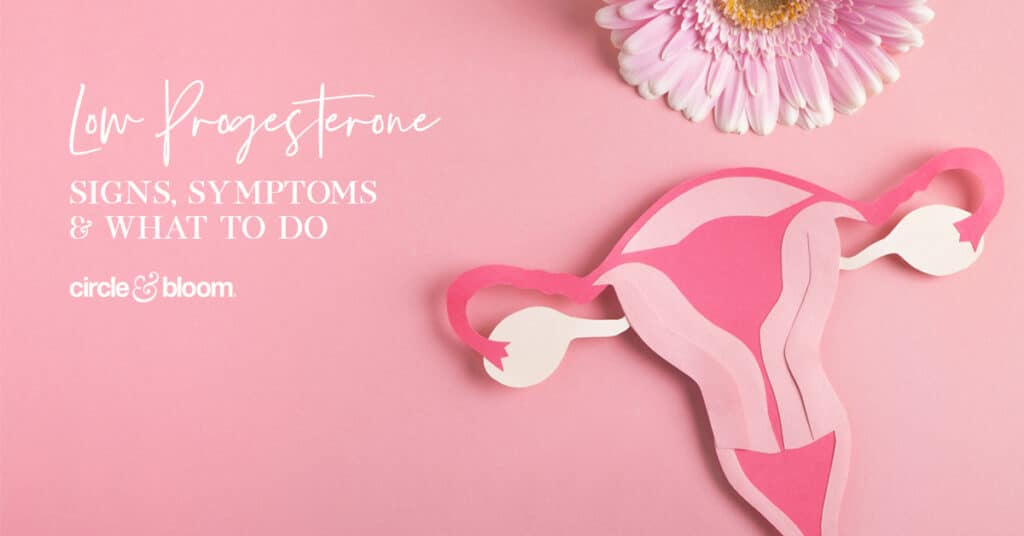
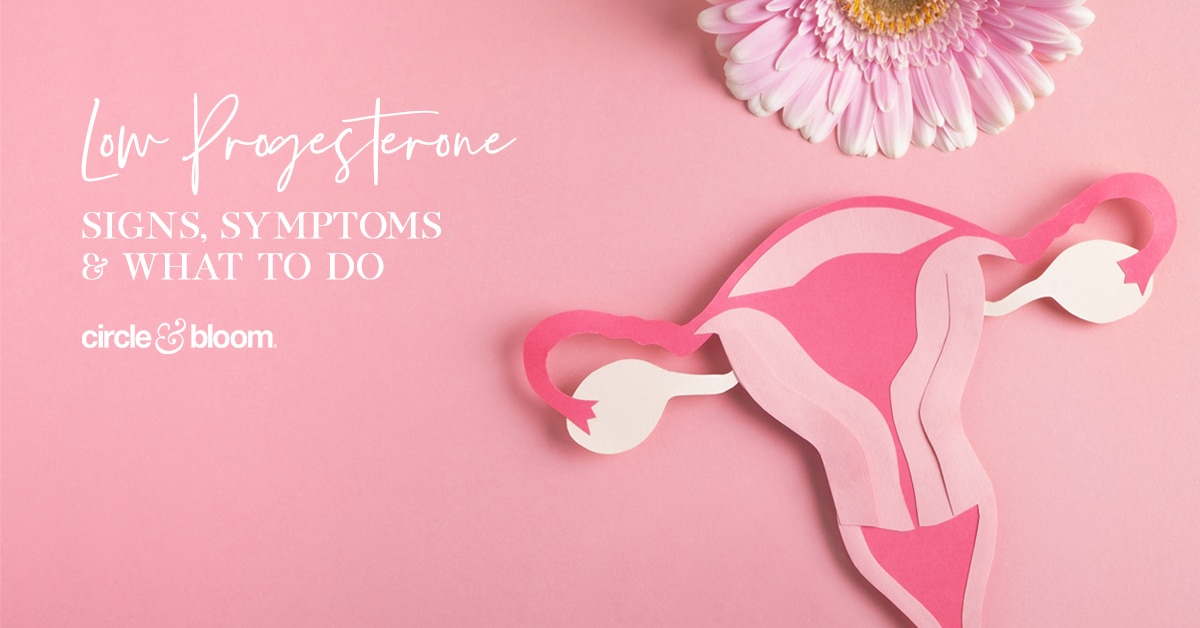
What does progesterone do? Progesterone works to make the uterine lining inside the womb juicy and cozy, ready for implantation. Think of progesterone as making a cozy little nest where an embryo can implant.
Progesterone also:
- Facilitates embryonic development
- Maintains pregnancy
- Facilitates lactation
- Offsets effects of estrogen
- Supports bone formation
- Provides neuro-protection
There are a number of symptoms that may develop with low progesterone. You will know if you track these symptoms consistently over time.
You have a potential progesterone deficiency if you experience:
- Headaches
- Insomnia
- Anxiety
- Menstrual irregularities
- Miscarriage
- Hot flashes
- Infertility
- Spotting prior to your periods
There are also pre existing health conditions that may negatively affect progesterone levels. These conditions include:
- PCOS
- Endometriosis
- Autoimmune thyroid disease
- Anorexia nervosa
- Premature Ovarian Insufficiency
- Menopause
How can you support progesterone levels?
- Ensure you are ovulating
- Consume foods rich in the nutrients zinc, vitamin C, B vitamins and magnesium
- These foods include beef, shellfish, cashews, chickpeas, lentils and eggs.
- Support progesterone receptors with botanical medicines like chaste tree
- Utilize suppository or oral progesterone at the advice of your healthcare providers
Conclusion:
Low progesterone levels can lead to various signs and symptoms that can impact overall health and well-being. As a naturopathic doctor, I recommend addressing low progesterone levels through a holistic approach.
This may include lifestyle changes such as stress management techniques, regular exercise, and a balanced diet rich in nutrients that support hormone production. Herbal remedies like chasteberry (Vitex agnus-castus) and supplementation with micronized progesterone under medical guidance can also be beneficial in restoring hormonal balance.
It’s important to consult with a healthcare professional for personalized guidance and treatment options tailored to individual needs.

Dr. Rachel Corradetti-Sargeant, ND is a fertility-focused naturopathic doctor practicing at Conceive Health @ Niagara Fertility in Stoney Creek, Ontario, Canada. She studied at the National College of Natural Medicine in Portland, Oregon and the Canadian College of Naturopathic Medicine in Toronto, Ontario. She is licensed through the College of Naturopaths of Ontario, and is a professional member of the Canadian and Ontario Associations of Naturopathic Doctors, as well as the Endocrinology Association of Naturopathic Physicians. She treats her patients with personalized, functional, and integrative medicine.
After her own difficulties with pregnancy loss she is passionate about empowering her patients to make healthy changes that help them conceive and maintain healthy pregnancies. When Dr. Corradetti-Sargeant is not seeing patients, she’s running triathlons, contributing to magazine articles (look for her in Clean Eating and Elle magazines), or making a giant mess in the kitchen whipping up the latest healthy desserts!
Resources:
https://www.ncbi.nlm.nih.gov/books/NBK558960
https://my.clevelandclinic.org/health/body/24562-progesterone
https://academic.oup.com/edrv/article/18/4/502/2530774


Leave a Reply